
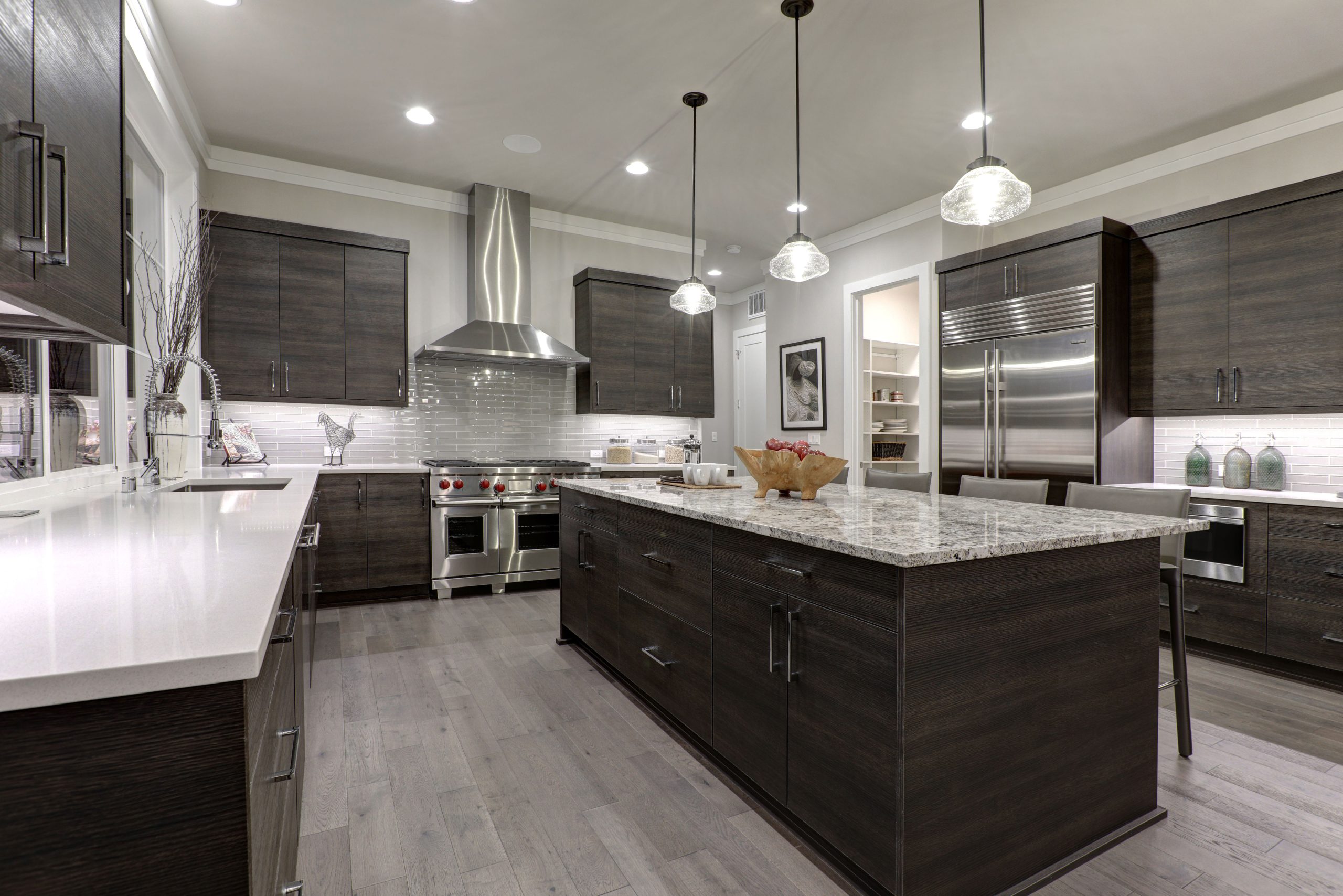
Choosing Kitchen Finishes You Won’t Regret in Five Years
Kitchen finishes can have a major effect on how a space looks and feels, but trends can change quickly. A finish that feels fresh today may look dated after a few years, especially when it is based on a short-lived color or style. This article explains how to choose kitchen finishes that remain appealing, practical, and easy to live with over time.
Considering Long-Term Style
One of the best ways to avoid regretting a kitchen finish is to think beyond current trends. Popular colors, patterns, and design styles can change from year to year, while a kitchen often remains in place for much longer. Choosing finishes with a simple and lasting appearance can help the space continue looking appropriate as design preferences change. This does not mean every kitchen needs to look plain or traditional. Personal style can still be included through details that are easier to update later. More permanent finishes may benefit from a balanced appearance, while smaller decorative elements can provide room for more personality. When planning a kitchen remodel, consider how each finish will work with the rest of the room. Flooring, cabinetry, walls, counters, lighting, and hardware all contribute to the overall appearance. A finish that looks appealing by itself may not work as well when combined with several other bold choices.
Balancing Color Choices
Color is one of the most noticeable parts of a kitchen design. Very bold colors can create a strong visual statement, but they may also become difficult to live with if preferences change. Neutral and natural colors tend to provide more flexibility because they can work with different decorating styles over time. A balanced color plan can also make future updates easier. For example, a simple base can work with different wall colors, decorative accents, and furnishings. This gives the kitchen a more adaptable appearance without requiring major changes every time design trends shift. When selecting colors, think about how they will look throughout the day. Natural light can change the appearance of certain shades, while artificial lighting can make them appear warmer or cooler. Looking at finishes under different lighting conditions can provide a better idea of how they will feel in everyday use.
Evaluating Surface Durability
Appearance is important, but kitchen finishes also need to handle regular activity. Kitchens experience spills, food preparation, moisture, heat, cleaning, and frequent contact. A finish that looks good but is difficult to maintain may become frustrating over time. Consider how much care a particular surface will require. Some finishes show fingerprints, crumbs, water spots, or other marks more easily than others. A busy household may benefit from surfaces that are relatively simple to clean and maintain. Durability also matters when selecting finishes for areas that receive frequent use. Seeking professional help can make it easier to understand how different finish types may perform under everyday conditions. During the planning process, ask about maintenance needs, expected wear, and how the finish may look after years of regular use.
Choosing Practical Materials
Material selection can influence both appearance and daily function. Kitchen finishes should complement the overall design while also fitting the way the space is used. A kitchen that sees frequent cooking and family activity may have different needs than one that is used only occasionally. Think about moisture, heat, cleaning products, and general wear when comparing options. Materials that require frequent special care may not be the best choice for every household. The goal is to select finishes that fit both the desired appearance and the practical demands of the space. Homeowners considering changes can discuss these factors with professionals who provide home remodeling services. A professional evaluation can help identify finish options that make sense for the kitchen’s layout, use, and long-term plans. Taking this step before making final selections can reduce the chance of choosing a finish that becomes difficult to maintain.
Combining Different Finishes
Using several different finishes can add depth and character to a kitchen, but too many competing elements can make the room feel disconnected. A cohesive design usually has a clear relationship between its major surfaces and smaller details. Consider choosing one or two finishes that serve as the main visual foundation. Other elements can complement those choices without competing for attention. This approach can create a kitchen that feels more organized and easier to update. It is also helpful to think about how finishes transition from one area to another. Open-concept homes often connect kitchens with dining and living areas, making coordination even more important. The finishes do not have to match perfectly, but they should work together as part of the larger home.
Reviewing Maintenance Needs
A finish can look excellent when it is new, but its long-term appearance depends partly on how it handles everyday use. Before selecting a material or surface, consider how often it needs to be cleaned and what type of maintenance it requires. High-use areas may show wear more quickly, particularly when they are exposed to spills, moisture, grease, or repeated contact. A practical finish should fit the amount of maintenance that can reasonably be managed over the years. It can also help to consider whether a finish is likely to continue looking appealing as it ages. Some materials may develop changes that add character, while others may show wear in ways that are more noticeable. Understanding these differences ahead of time can make the selection process easier.
Planning Around the Whole Kitchen
Individual finishes should not be selected without considering the entire kitchen. A floor, wall, cabinet, or counter may look appealing on its own but create a less balanced result when combined with other strong finishes. Start by considering the overall atmosphere you want the kitchen to have. A bright, open space may call for a different finish approach than a darker, more traditional room. Existing architectural features, natural light, room size, and adjacent spaces can all affect how finishes appear. Planning the entire palette before final selections are made can help prevent mismatched choices. Professionals offering home remodeling services can also help evaluate how different finishes may work together within the space. This broader view can be useful when several materials and colors are being considered.
Avoiding Trend-Heavy Decisions
Trends can provide inspiration, but they should not control every design decision. A kitchen built around highly specific trends may feel dated as styles change. Instead, use timeless finishes as the foundation and add current trends through details that are easier to update. This creates a kitchen that feels current while remaining flexible over time. According to the National Association of Realtors’ 2025 Remodeling Impact Report, 48% of realtors reported an increased demand for kitchen upgrades during the past two years. This reflects the continued importance of the kitchen within the home. Choosing finishes carefully can help an upgrade remain appealing and functional for years to come.
Choosing kitchen finishes is about more than creating an attractive space today. Consider appearance, function, maintenance, durability, and how the kitchen may look several years from now. Professional guidance can help bring these elements together while keeping long-term use in mind. For homeowners planning a kitchen update, contact our team at W. E. Bilbrey General Contractor, LLC today to learn more about our professional home remodeling services.